
TL;DR
Read time: 9 minutes
Texas's Education Freedom Account (TEFA) program opens February 4, 2026, offering homeschool families $2,000 annually for approved educational expenses. This is not first-come, first-served: if applications exceed funding, selection is handled by lottery with income-based prioritization. This guide walks you through the documentation you need, the application timeline, what counts as an approved expense, and how to manage phased funding deposits. If you're planning to apply, your prep work starts now.
Key dates: Application window opens Feb 4 at 9 a.m., closes March 17. Notifications begin in early April. Funding arrives in phases: at least 25% by July 1, at least 50% by October 1, remainder by April 1, 2027.
The Texas Comptroller's office is about to open the digital doors to the largest educational choice experiment in state history. For homeschool families, the stakes are straightforward: $2,000 per student annually for approved educational expenses: textbooks, tutoring, assessments, dual credit courses, transportation, and more.
But as anyone who has dealt with state reimbursement systems knows, "free money" is rarely frictionless. The application itself isn't difficult, but the back-end compliance: tracking purchases, choosing approved vendors, managing phased deposits: adds a layer of administrative work that some families will find useful and others will find suffocating.
This guide is designed to reduce the cognitive load. We'll walk through the process step by step so you know exactly what to expect before you click "submit."
TEFA Application Checklist: Preparing Your Digital Folder (Texas Education Freedom Account Application)
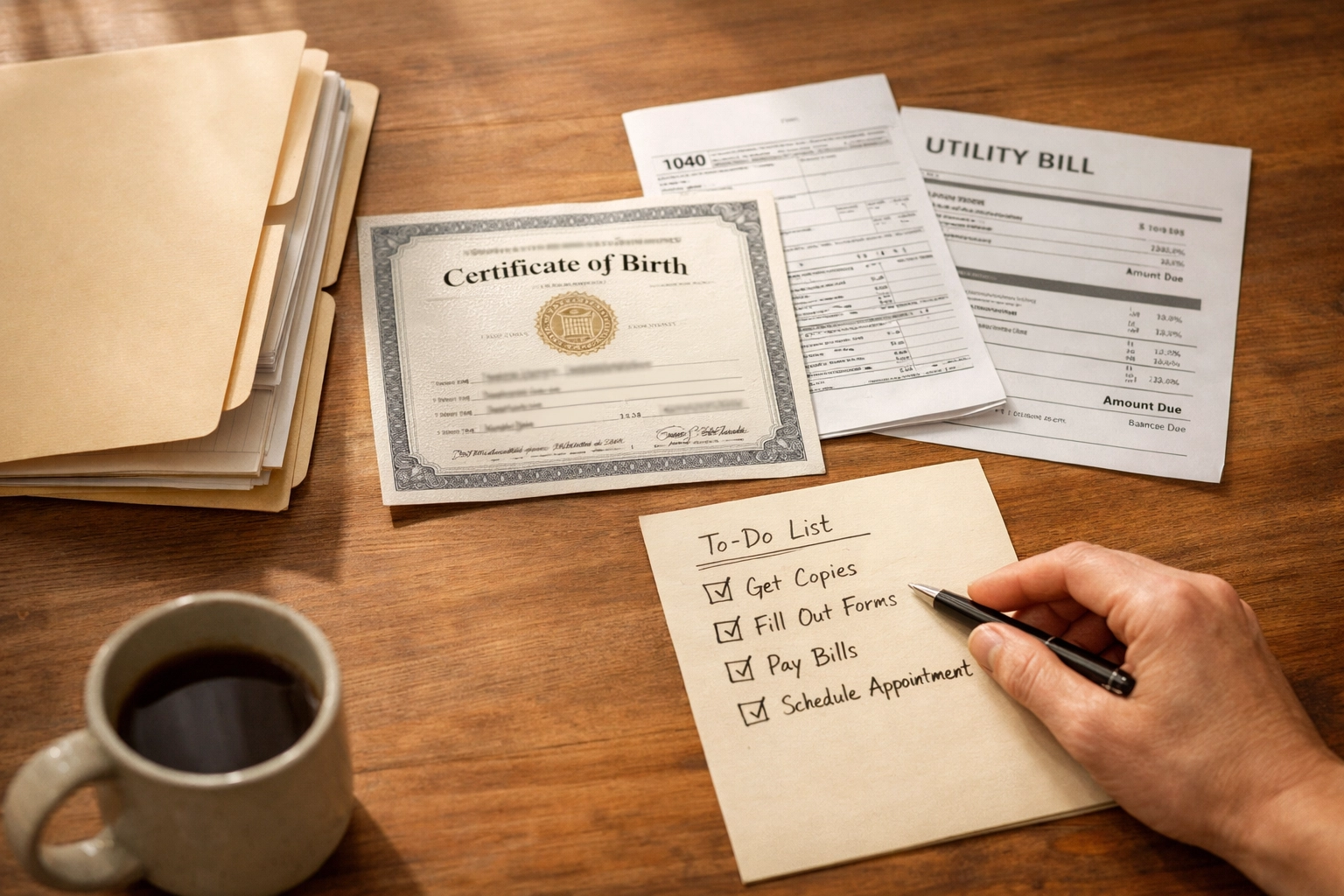
Before the portal opens on February 4, get your documents organized. The state requires proof of eligibility, and you don't want to be scrambling the night before the deadline.
TEFA application checklist (required documents):
- Your child’s birth certificate (U.S. citizenship verification)
- 2025 tax return or other proof of income (used for prioritization tiers if funding is oversubscribed)
- Proof of Texas residency (utility bill, lease agreement, or property tax statement)
- Withdrawal letter from public school (if applicable; only needed if your child was previously enrolled)
This is the core “Texas ESA checklist” most families will need to apply for TEFA.
If your child has never attended public school in Texas, you don't need to provide a withdrawal letter. Texas does not register homeschoolers, so there's no "approval" step for homeschool status itself. You're simply applying for a funding account.
Pro tip: Scan these documents now and save them in a clearly labeled folder on your computer or phone. The portal will likely require uploads, and having everything ready means you can complete the application in one sitting.
The Portal Walkthrough: What to Expect When the Site Goes Live
The Texas Comptroller's office will open the application portal on February 4, 2026, at 9 a.m. Central Time. The deadline is March 17, 2026.
This is not a race. The program is not first-come, first-served. If applications exceed available funding, the Comptroller's office will use a lottery system with statutory prioritization based on household income and disability status.
Here's how prioritization works for Year 1 (2026–27):
- Children with disabilities (IEP on file with TEA) in households at or below 500% of the Federal Poverty Level
- Children in households at or below 200% of FPL
- Children in households between 200% and 500% of FPL
- Children in households at or above 500% of FPL (limited to 20% of total funding; public/charter school enrollees from prior year prioritized within this group)
If your household income falls below approximately $60,000 annually for a family of four, you're in the higher-priority tiers. If you're above that threshold, you're still eligible: but if funding runs short, you may be subject to the lottery.
What the application will ask for:
- Student's legal name, date of birth, and Social Security number
- Parent/guardian contact information and proof of Texas residency
- Household income documentation
- Confirmation that the child is not currently enrolled in public school or an accredited private school
- Upload of required documents (birth certificate, tax return, etc.)
Once you submit, you're done until notifications begin in early April 2026. If you're accepted, you'll receive instructions for setting up your Education Freedom Account.
Approved Homeschool Expenses (TEFA): What You Can Spend the Texas Homeschool Subsidy On
If your application is approved, you won't receive a lump sum. The state deposits funds in phases to manage cash flow and prevent misuse.
Deposit Schedule:
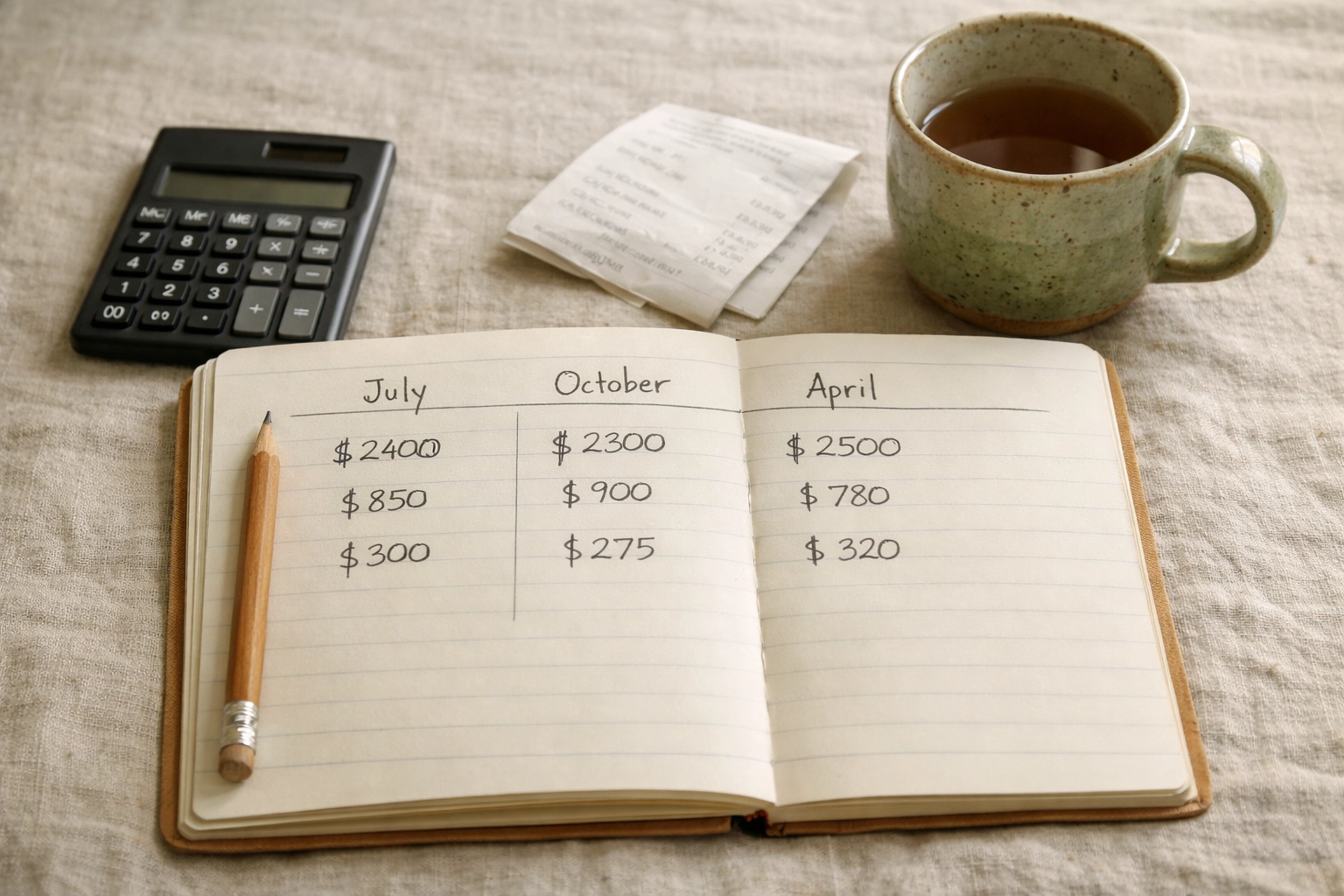
- July 1, 2026: At least 25% of your $2,000 award ($500 minimum)
- October 1, 2026: At least 50% of your total award ($1,000 minimum)
- April 1, 2027: Remaining balance
This phased structure means you need to plan your purchasing timeline carefully. If you buy a $1,200 curriculum package in June, you'll be floating the full cost until the October deposit arrives.
The Approved Vendor System:
You can't spend this money anywhere. All purchases must be made through the state's approved vendor marketplace or with pre-approved service providers registered with the Texas Comptroller.
Approved homeschool expenses (examples):
- Textbooks and curriculum materials (this is the big one for homeschool curriculum funding)
- Educational assessments and standardized exams
- Tutoring services (from approved providers)
- Dual credit or advanced coursework fees
- Educational therapy services (speech, occupational therapy, etc.)
- Transportation costs related to educational activities
- Uniforms or required materials for approved programs
Not approved (examples):
- Unapproved curriculum or materials from non-registered vendors
- General household expenses (computers, internet, furniture)
- Extracurricular activities not tied to approved providers
- Groceries, even if you're doing a "baking as math" unit
If you’re planning your homeschool expenses around this program, assume you’ll need to buy through the approved vendor marketplace or an approved provider.
The Comptroller's office will maintain a searchable database of approved vendors. Before you purchase, check the list. If your preferred curriculum provider isn't registered, you'll either need to switch or pay out-of-pocket.

The Cash Flow Reality
Let's be clear about the operational friction: even if you're approved for $2,000, the money arrives in chunks, and not all vendors will wait for state deposits.
If you traditionally buy your full year's curriculum in May, you'll need to either:
- Front the cost yourself and wait for reimbursement/deposit
- Break up purchases to align with the deposit schedule
- Use the $500 July deposit for early essentials and save bigger purchases for October
For low-income families, this phased structure can be a barrier. If you don't have $800 in liquid savings to float a curriculum order, the subsidy becomes harder to access: even though you technically qualify.
Practical workaround: Many homeschool co-ops and curriculum swaps operate on used-materials exchanges. If cash flow is tight, consider starting with free or low-cost resources (library curricula, public domain texts, free online platforms) and using the TEFA funds for specialized tutoring or therapies that can't be replicated at home.
Disclosure: If You Need Help
If the idea of tracking receipts, managing a state vendor portal, and reconciling phased deposits sounds like a second job, you're not wrong. It is administrative work, and it takes time.
If you need bookkeeping support to manage your homeschool expenses or TEFA account, my wife specializes in bookkeeping for homeschool families and microschools. Feel free to reach out through our contact page if that's something your household needs.
Quick Reference: Texas Education Freedom Account Application (TEFA) Checklist
Before February 4 (prep to apply for TEFA):
- Gather birth certificate, 2025 tax return, and proof of Texas residency
- Confirm your child is not enrolled in public school or an accredited private school
- Scan and organize all documents in a single digital folder
February 4–March 17 (Texas Education Freedom Account application window):
- Submit your Texas Education Freedom Account application using the official portal: Apply for TEFA at educationfreedom.texas.gov (official Texas homeschool subsidy portal)
- Double-check all uploaded documents are legible
- Save a copy of your confirmation email
Early April (notifications):
- Check your email for funding notification
- If approved, set up your Education Freedom Account
July 1 onward (using the Texas homeschool subsidy):
- Access at least 25% of your $2,000 award
- Begin purchasing from approved vendors only
- Track all receipts and confirmations (this matters for homeschool expenses)
- Plan purchases around the October 1 and April 1 deposit schedule
Official Resources
Don't rely solely on secondary sources. Go straight to the state's official pages:
-
Texas Education Freedom Accounts (TEFA) Official Site: educationfreedom.texas.gov
Your primary source for application instructions, vendor lists, and FAQs. -
Texas Comptroller's ESA Portal:
The portal will go live February 4, 2026, at 9 a.m. Central. Bookmark it now. -
Texas Home School Coalition (THSC):
thsc.org
Legal defense and guidance on how TEFA affects homeschool autonomy in Texas. -
Texas Education Agency (TEA):
tea.texas.gov
General education policy updates and special education resources.
For more on the broader policy context and decision-making framework, see our companion article: The Texas Education Freedom Account: What It Actually Means for Homeschool Families.
The Table Comes First
The $2,000 subsidy is not a magic wand. It's a tool that can lower the cost of homeschooling, but it introduces a compliance layer that not all families will find worth the trade-off.
If you're already comfortable navigating online portals, tracking receipts, and working within vendor restrictions, this is likely a net gain. If you're someone who chose homeschooling specifically to escape bureaucratic oversight, the subsidy might feel more like surveillance than support.
There's no moral judgment in either direction. The question is whether the financial support justifies the administrative burden for your household on a normal Tuesday.
If it does, mark February 4 on your calendar, get your documents in order, and submit your application. If it doesn't, you're still free to homeschool in Texas without state funding, registration, or oversight: just as you always have been.
The choice, as always, is yours.